Many people want to eat better but feel overwhelmed by mixed messages about food. One day a food is praised, the next day it is criticized. This can make everyday meals feel complicated instead of nourishing. Focusing on nutrient-rich foods is a practical way to bring clarity back to eating. These foods offer a wide range of vitamins, minerals, fiber, and healthy fats without requiring perfection or strict rules.
Adding nutrient-rich foods to your diet does not mean overhauling everything you eat. It means gently including foods that support energy, digestion, mood, and overall health. The goal is steady nourishment, not pressure or extremes. Below are ten nutrient-rich foods that are widely available, flexible, and realistic to include in daily life.
Common Challenges with Eating Nutritious Foods
Before exploring specific foods, it helps to acknowledge some common struggles. Many people feel unsure about what foods actually provide value. Others worry about cost, preparation time, or taste. Some feel discouraged by past attempts to “eat healthy” that felt restrictive or unsustainable.
Nutrient-rich eating works best when it fits into real life. The foods below were chosen because they are adaptable, familiar, and supportive without requiring complicated planning. Each food offers benefits on its own and works well alongside everyday meals.
1. Leafy Greens

Leafy greens such as spinach, kale, Swiss chard, and romaine lettuce are among the most nutrient-dense foods available. They provide vitamins A, C, and K, along with folate, iron, and fiber. These nutrients support immune function, bone health, and digestion.
A common pain point with leafy greens is uncertainty about how to use them. They can seem fragile or boring. In reality, leafy greens are versatile. They can be added to soups, mixed into scrambled eggs, blended into smoothies, or lightly sautéed with olive oil.
A sustainable approach is to add a small handful of greens to meals you already enjoy. There is no need to eat large salads daily. Consistency matters more than quantity.
2. Berries

Berries such as blueberries, strawberries, raspberries, and blackberries are rich in antioxidants, vitamin C, and fiber. These compounds help protect cells from stress and support heart health.
Some people worry that fruit contains too much sugar. Berries tend to be lower in sugar than many other fruits while offering high nutrient density. Their fiber content helps slow digestion and supports steady energy levels.
Berries can be enjoyed fresh or frozen. Frozen berries are often more affordable and last longer, making them easier to keep on hand. They can be added to yogurt, oatmeal, or eaten on their own.
3. Eggs

Eggs are a complete source of protein, meaning they contain all essential amino acids. They also provide vitamin B12, choline, and selenium, which support brain function and metabolism.
Confusion around eggs often comes from past dietary trends. Current understanding supports eggs as a nourishing option for most people when eaten in moderation. They are affordable, easy to prepare, and adaptable to many meals.
Including eggs a few times a week can help meet protein needs without relying on processed options. They work well at any meal, not just breakfast.
4. Fatty Fish

Fatty fish like salmon, sardines, and mackerel are rich in omega-3 fatty acids. These fats support heart health, brain function, and help reduce inflammation.
A common barrier is concern about preparation or taste. Fatty fish can be baked, grilled, or added to simple dishes like rice bowls. Canned options are also convenient and cost-effective.
Eating fatty fish once or twice a week can provide meaningful benefits without adding complexity to your routine.
5. Legumes
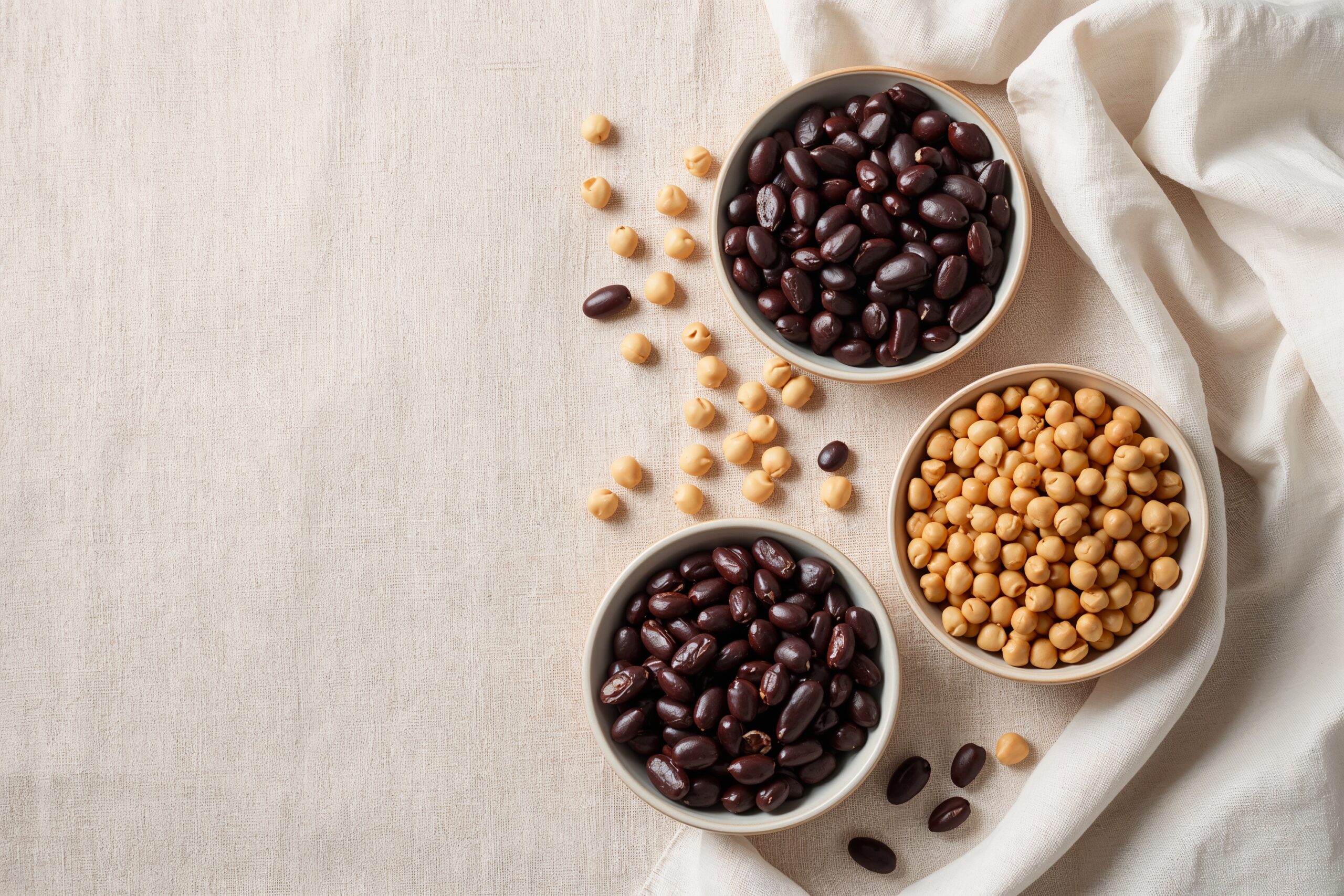
Legumes include beans, lentils, and chickpeas. They are rich in fiber, protein, iron, and magnesium. These nutrients support digestion, blood sugar balance, and muscle function.
Some people avoid legumes due to digestive discomfort. Gradually increasing intake and preparing them properly can help the body adjust. Rinsing canned beans and cooking dried beans thoroughly can improve tolerance.
Legumes can be added to soups, salads, or grain dishes. They are filling and economical, making them a practical staple.
6. Nuts and Seeds

Nuts and seeds such as almonds, walnuts, chia seeds, and pumpkin seeds provide healthy fats, protein, and minerals like zinc and magnesium. These nutrients support heart health and satiety.
Portion size can be confusing with nuts and seeds. A small handful is often enough to gain benefits without feeling overly full. They can be sprinkled on meals rather than eaten alone.
Including nuts or seeds regularly can add texture and nourishment to simple foods like yogurt or vegetables.
7. Whole Grains
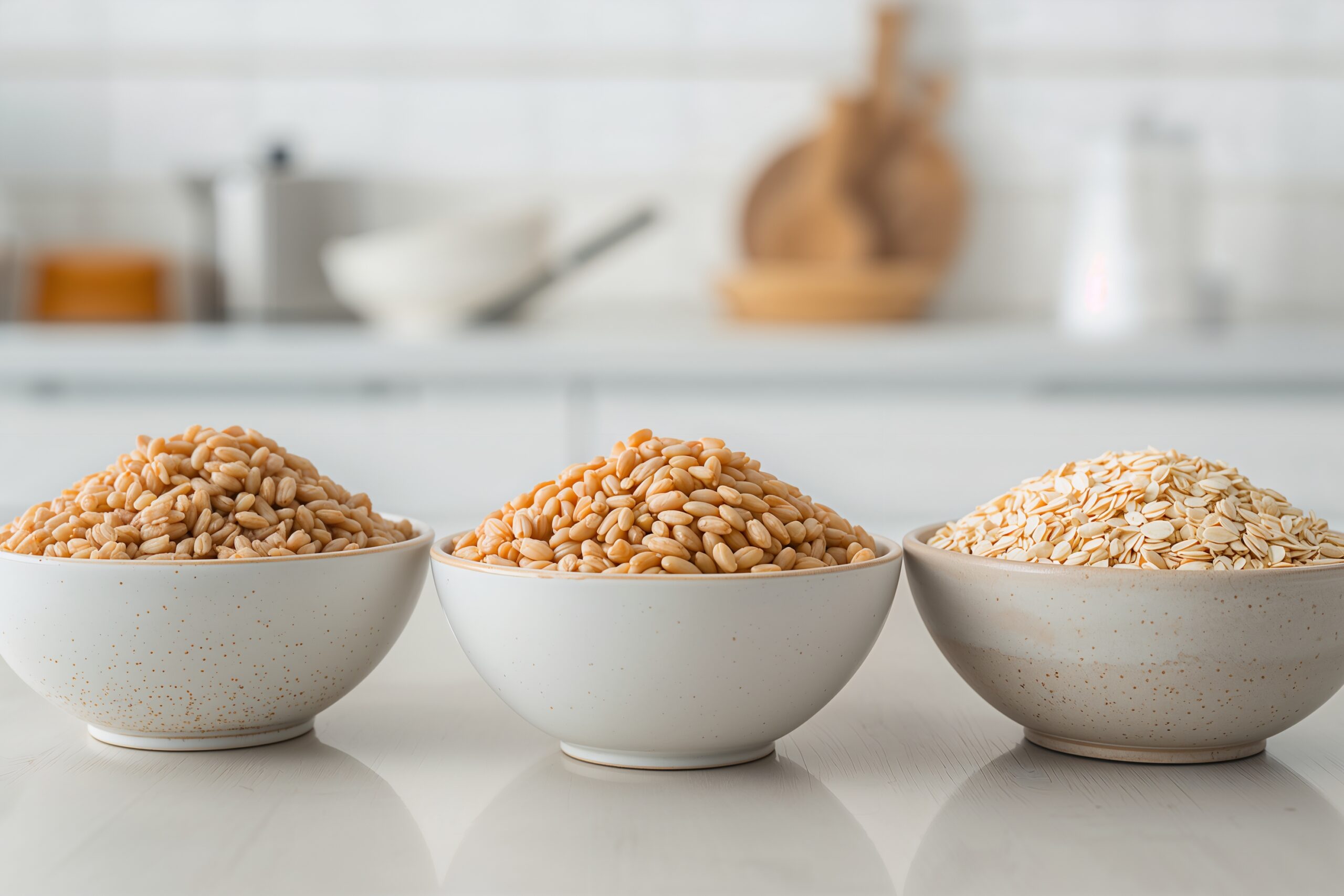
Whole grains such as brown rice, oats, quinoa, and barley contain fiber, B vitamins, and minerals. They help support digestion and provide steady energy.
Many people feel unsure about carbohydrates. Whole grains differ from refined grains because they retain their fiber and nutrients. This helps prevent sharp blood sugar spikes.
Choosing one or two whole grains you enjoy can make meals more satisfying without restriction.
8. Greek Yogurt

Greek yogurt is rich in protein, calcium, and probiotics. These nutrients support bone strength and digestive health.
Flavored yogurts can contain added sugars. Plain Greek yogurt allows flexibility. It can be sweetened naturally with fruit or used in savory dishes.
Adding Greek yogurt to your diet does not require daily intake. Even a few servings per week can be beneficial.
9. Sweet Potatoes

Sweet potatoes are rich in vitamin A, potassium, and fiber. They support immune health and digestion.
They are naturally sweet and satisfying, which can help reduce reliance on processed snacks. Sweet potatoes can be roasted, mashed, or added to soups.
Keeping preparation simple helps make them a regular option rather than an occasional one.
10. Avocados

Avocados are rich in monounsaturated fats, fiber, and potassium. These nutrients support heart health and fullness.
Some people avoid avocados due to their fat content. The fats in avocados are beneficial and help the body absorb fat-soluble vitamins.
Avocados can be added to meals in small amounts, making them easy to enjoy without excess.
Bringing It All Together
Nutrient-rich eating does not require perfection. It is about adding foods that gently support your body over time. The foods listed here can be mixed and matched based on taste, budget, and availability.
When meals feel flexible and realistic, they are easier to maintain. Even small changes can improve how you feel day to day. Choosing nutrient-rich foods is a form of self-care that works best when it is calm, patient, and forgiving.
Over time, these small additions can build a steady foundation of nourishment that supports both physical health and peace of mind.